Rock Wool – Everything You Need to Know About Mineral Wool
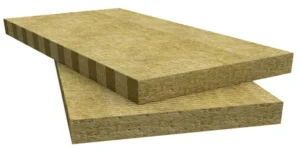
Rock wool is an insulation material made from mineral wool, produced from natural rocks, primarily basalt and dolomite. By melting these rocks at high temperatures (approximately 1500°C) and forming them into fibers, a lightweight, durable material with excellent insulation properties is obtained. Rock wool is widely used in both residential and industrial construction due to its versatility and effectiveness in various applications.
The main advantages of rock wool include excellent thermal insulation, fire resistance, sound absorption, and resistance to moisture and chemicals. It helps reduce energy costs, improves building energy efficiency, and creates a more comfortable living environment. Additionally, rock wool is an environmentally friendly material, as it is made from natural and renewable resources and is fully recyclable.
This overview covers the various properties and benefits of rock wool, including:
- Thermal Conductivity: How rock wool helps retain heat and reduce energy costs.
- Heat Resistance: Rock wool’s fire resistance and ability to withstand high temperatures.
- Acoustic Properties: Rock wool’s ability to absorb sound and improve acoustic environments.
- Water Resistance and Vapor Permeability: How rock wool behaves in humid conditions and its impact on indoor air quality.
- Environmental Sustainability: The environmental impact of rock wool production and its role in sustainable construction.
By exploring these topics, you will gain a comprehensive understanding of the properties of rock wool and why it is one of the most preferred insulation materials in modern construction.
Thermal Conductivity of Rock Wool: Efficient Energy Savings
Rock wool is highly valued as a building material due to its excellent thermal insulation properties, which ensure both energy savings and safety. Thermal conductivity, also known as the thermal conductivity coefficient (λ-value), is one of the most critical indicators of rock wool, largely dependent on temperature. Rock wool retains its excellent thermal insulation properties even under extreme conditions, including exposure to high temperatures.
In extreme temperature conditions, rock wool’s efficient thermal insulation helps significantly reduce temperatures on the opposite side of the insulation layer, protecting structural elements and materials from overheating or ignition. This makes rock wool an ideal material not only for improving energy efficiency but also for ensuring fire safety. In addition to its functionality, rock wool provides a long-lasting and durable solution that helps significantly reduce heating costs and improve the energy efficiency of buildings for years to come.
Heat Resistance of Rock Wool: Durability in Extreme Conditions
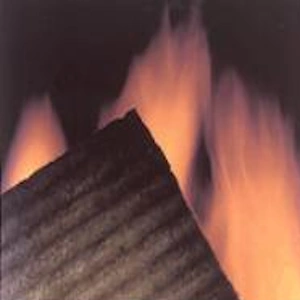
As mentioned earlier, rock wool can withstand temperatures above 1000°C, while the binder in the material begins to break down at temperatures above 250°C. In areas where the temperature exceeds 250°C, the binder evaporates. However, this evaporation does not damage the structure of rock wool, as its fiber structure remains intact, keeping the material rigid and ensuring continued protection against fire.
Since the fibers in thermal insulation materials are highly resistant to temperature fluctuations, rock wool can be used even in very high-temperature conditions. Proper installation is essential to ensure that mechanical pressure does not deform the thermal insulation layer as the binder evaporates.
Due to its superior fire resistance, rock wool belongs to the highest safety class, A1.
Acoustic Properties of Rock Wool: Soundproofing Solutions
Rock wool consists of interwoven diabase rock fibers with air gaps in between. This structure effectively absorbs sound waves, making it highly effective in reducing both airborne noise and impact noise transmitted through walls and ceilings.
- Airborne Noise Insulation (R’w dB): This rating measures a building’s partition structures’ ability to absorb airborne noise. The higher the rating, the less noise passes through the structure.
- Impact Noise Insulation (L’n,w dB): This rating measures how well floor structures reduce impact noise, such as footsteps or objects being dropped on the floor. A lower coefficient indicates better impact noise insulation.
Rock wool’s excellent sound absorption properties make it a preferred material for creating quiet and comfortable living and working environments.

Rock Wool Water Resistance and Vapor Permeability: Protection Against Moisture
It is well known that moisture in insulation materials reduces their insulating properties. Rock wool that has been exposed to rain may appear wet, but in reality, only a few millimeters of its surface are affected. Despite its porous structure, impregnated rock wool is a non-absorbent material. If water is forcefully pressed into rock wool, it may absorb some moisture. However, as soon as the pressure stops, the water evaporates, and the material dries out, regaining its original insulation properties.
Most polymer-based insulation materials have a dense internal structure that makes them poor at allowing water vapor to pass through. As a result, walls insulated with such materials have high vapor resistance, and if ventilation is inadequate, moisture can accumulate inside the building. Rock wool, on the other hand, is vapor-permeable (its vapor resistance is similar to that of air). This allows buildings insulated with rock wool to “breathe,” ensuring a healthy indoor climate.
Environmental Sustainability of Rock Wool: A Nature-Friendly Insulation Material
Rock wool is an environmentally friendly choice because it is made from naturally occurring rock. Additionally, insulation is one of the few industrial products that helps save more energy than it consumes during production. Over a 50-year period, a typical insulation product can help save 100 times more primary energy than was used in its manufacturing, transportation, and disposal.
By reducing the need for heating in homes and workplaces, less fossil fuel is burned, leading to lower emissions of harmful pollutants such as CO₂, SO₂, and NOₓ. The energy balance becomes positive just five months after insulation installation. If rock wool is used for heating pipe insulation, the energy investment can pay off in less than 24 hours—the energy savings achieved are more than 10,000 times greater than the energy used for production.